Play therapy offers a compassionate and effective approach for children aged 3-12 affected by trauma or emotional distress, including those who have experienced daycare abuse in Ohio. Using play as expression, therapists create safe spaces for children to communicate feelings and process experiences, improving emotional regulation, social skills, and overall well-being. Adaptable techniques make it inclusive for diverse cultural backgrounds. A study by the American Psychological Association found significant reductions in trauma symptoms. Daycare abuse lawyers in Ohio can leverage play therapy records as credible evidence in court proceedings, emphasizing its role in addressing sensitive issues like abuse. Early intervention through play-based approaches in schools and daycare centers reduces long-term trauma impact, with dedicated play therapy spaces offering consistent access to therapeutic resources. Collaboration among healthcare professionals, educators, and caregivers is vital for maximizing play therapy benefits.
In the realm of child development, Play Therapy emerges as a powerful tool to help kids process their experiences, especially those who have faced challenging situations like daycare abuse. As Ohio’s legal landscape evolves with cases involving daycare negligence, it’s crucial to understand the therapeutic potential of play for these young survivors. This article delves into the effectiveness of Play Therapy, exploring its role in fostering emotional healing and resilience among children impacted by trauma. We provide an authoritative analysis, highlighting the methods and benefits, to offer genuine value to professionals and parents alike.
Understanding Play Therapy: A Gentle Approach to Healing Children

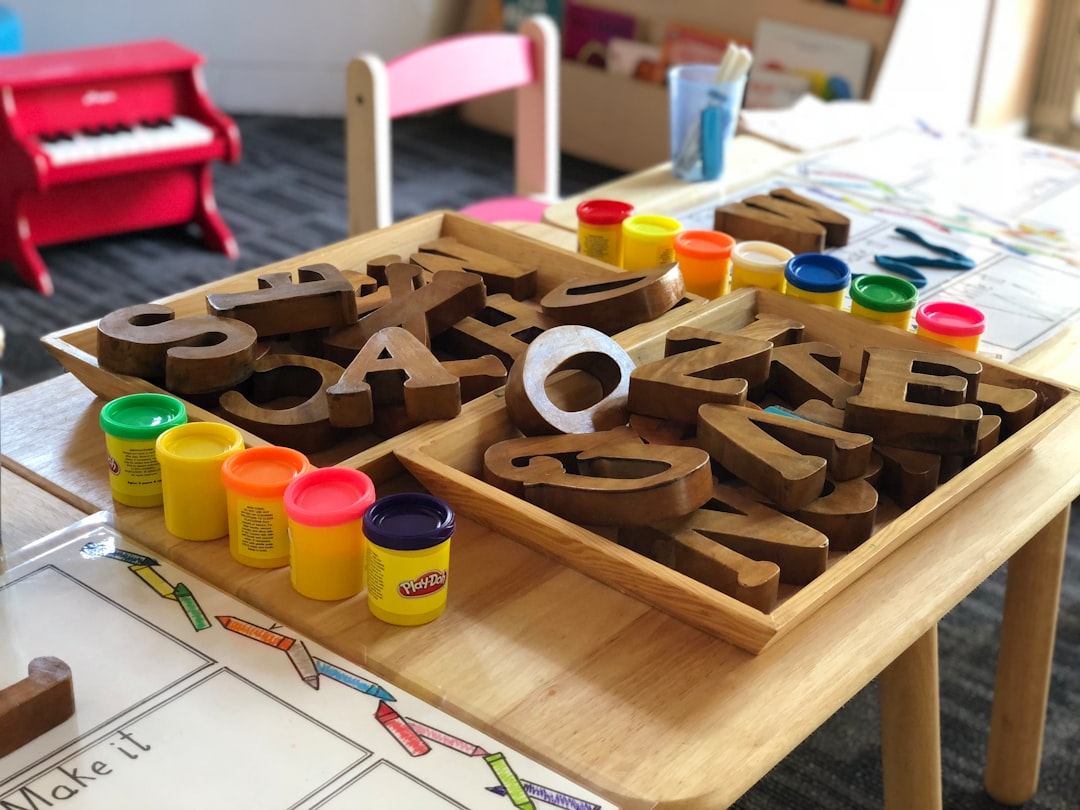
Play therapy represents a compassionate and effective approach to healing children who have experienced trauma or emotional distress. This therapeutic method recognizes the power of play as a natural means of expression for children, allowing them to communicate their feelings and work through difficult experiences in a safe, non-threatening way. Unlike traditional talk therapy, which may be unsuitable for young children, play therapy provides a gentle and engaging environment that fosters trust and encourages emotional exploration.
The process involves trained therapists who create a nurturing space equipped with age-appropriate toys and materials. Through carefully structured activities and free play, therapists help children externalize their emotions, resolve conflicts, and develop coping strategies. For instance, a child who has experienced daycare abuse in Ohio might use dolls or puppets to reenact and work through their experiences, providing a sense of control and agency over their traumatic memories. This symbolic representation facilitates emotional processing and allows the child to begin the healing journey.
Studies have shown play therapy to be particularly effective for children aged 3-12, as it aligns with their cognitive development and natural inclination towards play. A comprehensive study by the American Psychological Association (APA) revealed that play therapy significantly improved children’s emotional regulation, social skills, and overall well-being. Moreover, therapists can adapt techniques to cater to diverse populations, making this approach inclusive and accessible to children from various cultural backgrounds and with different needs. By providing a safe haven for expression and exploration, play therapy empowers children to navigate their emotions and build resilience, ultimately fostering healthier development.
The Impact on Traumatized Kids: Play as a Safe Space

Play therapy offers a unique and powerful approach to helping children process traumatic experiences, creating a safe space for them to express themselves through play. This method is particularly crucial when dealing with kids who have suffered abuse or neglect, as it provides an alternative means of communication beyond their verbal abilities. A study by the American Psychological Association found that play therapy can significantly reduce symptoms of trauma in children, fostering resilience and healthy coping mechanisms.
In cases of daycare abuse, where children may experience fear, confusion, and shame, play becomes a vital tool for healing. Through imaginative play, kids can reenact or symbolize their experiences, helping them make sense of the trauma. For instance, a child who has been bullied might use stuffed animals to act out scenarios, allowing them to confront and resolve these traumatic interactions in a safe environment. This process enables children to process complex emotions and gain a sense of control over their lives.
Experts emphasize that play therapy should be facilitated by trained professionals who can create a nurturing atmosphere. In Ohio, where daycare abuse cases have prompted increased awareness, licensed therapists and counselors specializing in play therapy are increasingly sought after. These professionals use various techniques, such as sandplay or art therapy integrated with play, to help children externalize their experiences and express themselves creatively. By providing a non-judgmental space, these therapists enable kids to explore their feelings and begin the journey towards healing and recovery.
Actionable advice for parents and caregivers includes seeking out certified play therapists for affected children. Additionally, creating a home environment that encourages open communication and imaginative play can be beneficial. Remember, in cases of suspected abuse, documenting and reporting concerns to relevant authorities, such as a daycare abuse lawyer Ohio, is essential to ensure the safety and well-being of vulnerable children.
Legal Considerations: Daycare Abuse Lawyer Ohio and Play Therapy's Role

Play therapy has emerged as a powerful tool in the field of child psychology, offering a unique and creative approach to helping children process their experiences and emotions. However, when addressing sensitive issues like daycare abuse, it is crucial to consider the legal framework that governs these interactions. A daycare abuse lawyer Ohio highlights the importance of understanding the role of play therapy within this context, as it can significantly impact the handling of cases involving the well-being of children.
In situations where a child has experienced trauma or abuse, play therapy provides a safe and non-threatening environment for them to express themselves. Trained therapists use various techniques, such as toys, games, and imaginative play, to facilitate conversations and help children make sense of their emotions. This is particularly vital in cases managed by a daycare abuse lawyer Ohio, where the well-being of the child must be paramount. Play therapy allows for a more natural and comfortable exploration of the events, potentially leading to more accurate and detailed disclosures. The therapist can then work with legal professionals to provide compelling evidence in support of any legal actions or interventions required.
Moreover, play therapy sessions can serve as valuable documentation of a child’s emotional state. Therapists maintain detailed records of the play sessions, including observations and interpretations, which can be used as credible evidence in court proceedings. This becomes particularly relevant when a daycare abuse lawyer Ohio is involved, as they can utilize these records to build a robust case for justice. The expert insights provided by play therapists can help legal professionals navigate complex legal matters, ensuring that the best interests of the child are protected and that their experiences are given the weight they deserve in any legal context.
Implementation Strategies: Integrating Play Therapy in Various Settings

Play therapy offers a unique and powerful approach to helping children process their experiences, especially those who have faced challenging situations such as trauma or abuse. Integrating play therapy in various settings, from schools to daycare centers, presents both opportunities and challenges. Daycare abuse lawyer Ohio highlights the significance of this integration, emphasizing the need for specialized strategies that cater to different environments.
One effective implementation strategy is training childcare providers and educators on play therapy techniques. This equips them with the skills to recognize children’s emotional cues during play and respond appropriately. For instance, a teacher might use manipulatives or art materials to encourage a child who is struggling to express their feelings. By fostering a safe and supportive environment that incorporates play, professionals can create a sense of security for vulnerable children. Research indicates that early intervention through play-based approaches can significantly reduce the long-term impact of trauma, making it an essential tool in prevention strategies.
Moreover, creating dedicated play therapy spaces within these settings allows for consistent access to therapeutic resources. These areas should be designed with age-appropriate materials, encouraging imaginative and expressive play. For children who have experienced abuse or neglect, having a safe haven where they can engage in playful exploration can be transformative. However, professionals must also address potential barriers, such as limited funding or space, by implementing creative solutions like utilizing existing spaces during specific periods dedicated to play therapy activities.
To maximize the benefits of play therapy, collaboration between healthcare professionals, educators, and caregivers is crucial. Regular consultation and sharing of insights enable a holistic understanding of each child’s progress. In cases involving potential daycare abuse, this collaborative approach becomes vital for developing comprehensive interventions. By integrating play therapy strategies into everyday settings, we can empower children to process their experiences in a nurturing environment, ensuring their well-being and resilience.